About Apraxia
“Individuals with apraxia know what they want to do, but are unable to do it. At ShoesOverSocks, we aim to bridge that gap between intention and action using clear, step-by-step visual guides. ”
What is “apraxia"?
Apraxia (ah-PRACKS-e-uh) is a neurological disorder in which someone struggles to complete a task in the correct sequence. The brain can’t send the right signals to coordinate the body, meaning that everyday activities like brushing and dressing become near impossible.
Statistics
67% of patients with Alzheimer’s Disease display signs of apraxia - roughly 5 million seniors in the U.S. alone (https://pmc.ncbi.nlm.nih.gov/articles/PMC12464036/)
Roughly 60% of changes in a senior’s general cognitive impairment are accounted for by apraxia (https://pubmed.ncbi.nlm.nih.gov/40999034/)
This is an 85-year-old male with dementia Alzheimer disease-type and severe dressing apraxia. (Contributed by Dr. José Fidel Baizabal-Carvallo.)Video Courtesy of MedLink Neurology
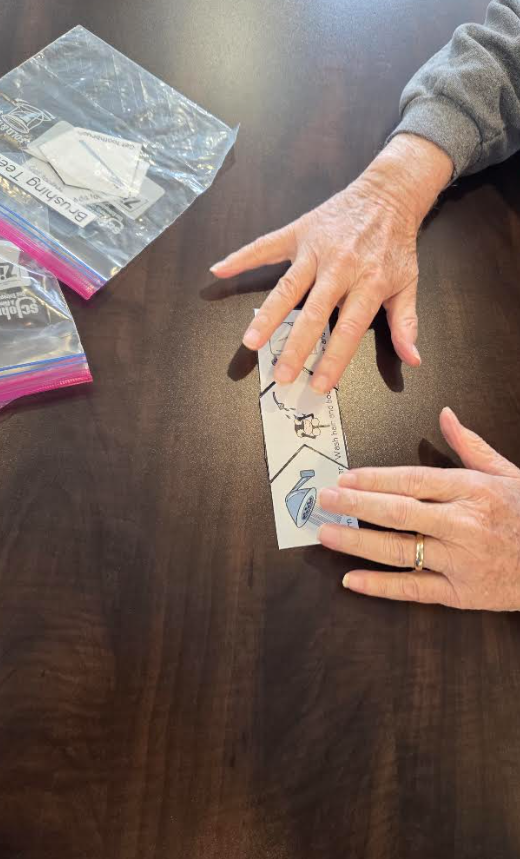
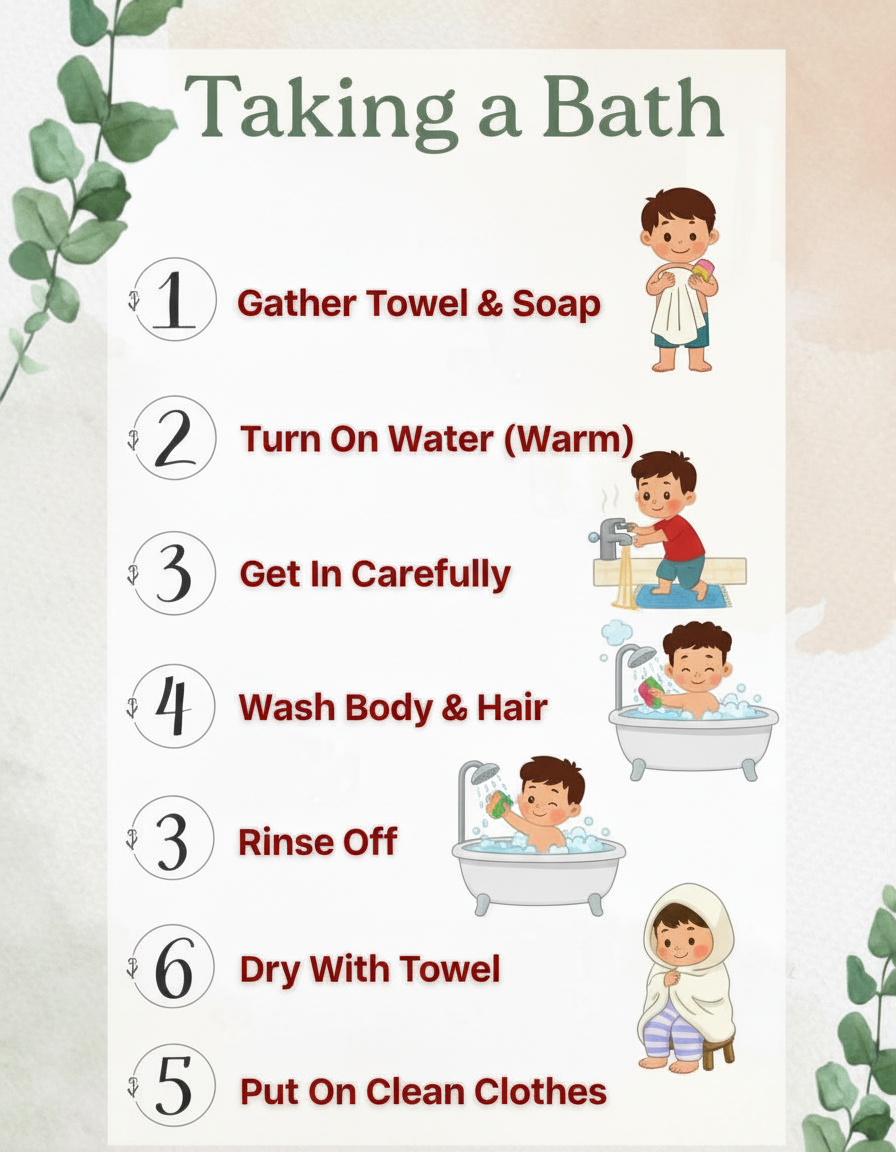
At SOS, we create visual step-by-step posters and puzzles designed to support individuals with apraxia in completing the activities of daily living.
Research has showed that visual cues, reminder, and breaking activities into smaller steps can support independence and task completion for individuals primarily in the mild and moderate stages of dementia.
These guides are designed to be supportive and are best with verbal and caregiver guidance.
We also coordinate with many memory care centers around the United States and provide volunteer opportunities for high school students.
Sources & Additional Info
So what can we do?